

The Importance of Transverse Plane Training for Police, Firefighters, and First Responders
May 28, 2025
Staying Safe and Injury-Free During Warm Weather Activities
June 24, 2025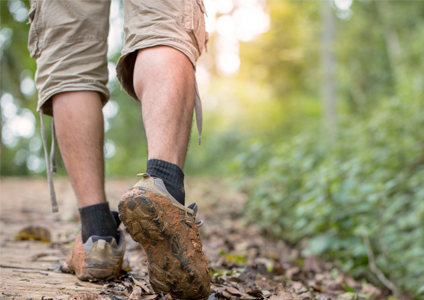
Healthy Hiking!
It’s that time of year! The sun is out and the weather is getting warmer letting us know we finally made it through yet another New England winter. If you’re looking for a fun activity to do this summer, hiking can be a great way to get in some exercise, spend time with friends and enjoy time in nature.
For newbies and experienced hikers like, safety and injury prevention are the most important factors to keep in mind to stay healthy on the trail. Injury prevention while gearing up for a hike involves a combination of building strength, flexibility, and endurance, while preventing overuse and strain. Here are some key tips to help you train safely and minimize your risk of injury:
1. Start Slowly and Build Gradually
-
If you’re new to hiking or haven’t been active in a while, don’t jump straight into long, tough hikes. Start with shorter, easier hikes and progressively increase both the distance and elevation gain as your body adapts.
-
Similarly, during training, begin with shorter, lower-intensity workouts and work your way up.
2. Focus on Building Core and Lower Body Strength
-
Strong legs, hips, and a solid core are critical for hiking. Focus on exercises that strengthen the muscles you’ll rely on most, such as the quadriceps, hamstrings, calves, glutes, and hip flexors.
-
Recommended exercises: squats, lunges, step-ups, calf raises, planks, and deadlifts.
3. Prioritize Balance and Stability
-
Hiking often requires navigating uneven terrain, so balance and stability are essential. Incorporate exercises that challenge your balance, such as single-leg squats or balance board exercises.
-
Strong ankles and feet are vital. Consider doing foot-strengthening exercises or walking barefoot on varied surfaces.
4. Stretch and Improve Flexibility
-
Stretching before and after workouts will keep your muscles flexible and reduce the risk of strains.
-
Focus on areas like the hamstrings, calves, hip flexors, quads, and lower back. Incorporate yoga or dynamic stretching as part of your routine.
5. Use Proper Footwear
-
Hiking boots or trail shoes that fit well and provide the right support are crucial for injury prevention. Proper footwear helps reduce stress on your joints and prevents blisters or foot pain.
-
If you’re doing training hikes, wear the same footwear you plan to wear on your actual hike to ensure your feet adjust.
6. Cross-Train
-
Don’t just stick to hiking or walking; cross-training can help you build strength and endurance while preventing overuse injuries. Try activities like cycling, swimming, or stair climbing to boost cardio fitness without putting the same strain on your body.
7. Work on Cardiovascular Endurance
-
Hiking requires cardiovascular endurance, especially when tackling challenging terrain. Make sure you’re also building aerobic fitness with activities like running, biking, or brisk walking.
-
Start at a comfortable intensity and gradually increase your pace and duration.
8. Don’t Overtrain
-
Overtraining is a common cause of injury. Make sure you’re allowing enough time for recovery, including rest days and adequate sleep. Listen to your body, and if you feel fatigued or sore, back off a bit.
-
Incorporate variety in your training so you’re not always stressing the same muscles.
9. Hydrate and Fuel Properly
-
Staying hydrated and maintaining proper nutrition supports your overall performance and recovery. Dehydration can lead to cramps and other injuries, so drink plenty of water before, during, and after workouts.
-
Eat a balanced diet rich in whole foods, including lean proteins, healthy fats, and complex carbohydrates.
10. Warm Up and Cool Down
-
Warm up with light cardio or dynamic stretching before your workout to prepare your muscles and joints for exercise.
-
Cool down after your workout with gentle stretches to help reduce muscle tightness and improve recovery.
11. Listen to Your Body
-
If you feel pain (not to be confused with the normal discomfort of training), stop and assess the situation. Continuing through pain can lead to more severe injuries.
-
Pay attention to warning signs like joint pain, shin splints, or muscle soreness that doesn’t go away after a rest.
By following these tips, you can build the strength and endurance needed for a hike while minimizing the risk of injury. Always remember that proper preparation and listening to your body are key to staying healthy and enjoying your outdoor adventures. If pain is limiting you from the activity that you love, schedule an evaluation with our Physical Therapists and they will give you a custom plan to address your goals.
Marisa Terraveccia, PTA